
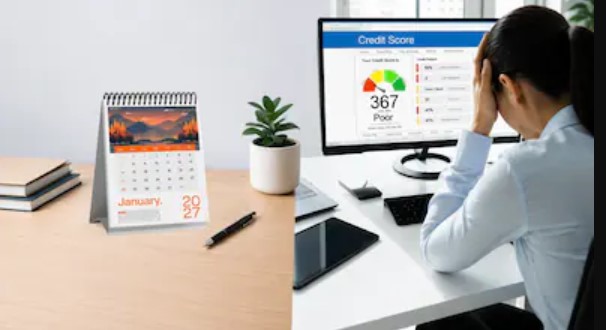
Festive periods in India simply have no match in terms of zeal, lighting, and yes, the fantastic sales that go on in the e-commerce space. From a smartphone update to buying a huge TV for your living room and even gifts for everyone in the family, it becomes quite easy to fall for all those shopping temptations during festive time. Luckily for us, purchasing has become way easier with credit cards, instant loan options, and checkout offers all just one click away.
But the catch is you still need a strategic use of credit facilities, because it is extremely essential to be aware of the potential impacts that may result from all your festive shopping activity. In case you’re not careful enough, your CIBIL score may take a beating just after these festive times stripping points from your CIBIL score and making your credit file look less reliable moving forward. The good news here is that you can easily enjoy your festive credit tools without compromising your credit profile, and the guide below walks you through the same.
How Your Credit Score Is Affected By Holiday Shopping?
At peak holiday time, the credit bureaus often observe the peak utilisation of credit users. Since the lenders are well aware that now you are intending to make a purchase, they make it very easy to access credit by offering cashbacks, discounts, etc.
Although this convenience is excellent for your purchasing power, it is worthwhile to understand the mechanics of how this affects your credit record.
To begin with, it’s easy to rely heavily on your credit cards in order to secure flash sales. Furthermore, the sudden surge in promotional micro-loans provides you with a great deal of financial flexibility. Nevertheless, a lot of shoppers think that selecting ‘Buy Now, Pay Later’ or opting for a zero-interest EMI doesn’t qualify as a genuine line of credit, yet credit bureaus treat it in the same way as any other type of loan. Let’s look at how to handle these common holiday scenarios like an expert.
Keep an Eye On the 30% Spending Rule
Have you ever come across (CUR)? It’s merely a way of expressing the portion of your overall credit limit that you are currently using. Combined with other factors, it becomes one of the most important factors that banks take into account while working with your CIBIL score.
Which is why the best way to keep your CIBIL score in an ideal standing at the same time as getting the most rewards is to make sure that your festive spending remains under 30% of your total credit limit.
Here’s a way of looking at it:
Let’s look at an example: Your card has a limit of ₹1 Lakh, and you spend ₹90,000 on festive upgrades; a lender may see you as credit-hungry, even though you are using the card responsibly. It doesn’t matter whether you can pay the full amount the following month; the high balance can temporarily reduce your score as soon as it is reported.
If you know you’ll make large purchases to get substantial cash-back rewards, make a mid-cycle payment online to reduce the balance before the official bill is issued. Alternatively, you could divide your bills among two or three different cards rather than using just one to its full limit.
Always Maximise Your No-Cost EMIs Responsibly
If you don’t want to put as much strain on your profile, taking the cost of a new laptop or refrigerator and paying it off in six simple monthly instalments is a great way to buy expensive items.
However, you should know that every No-Cost EMI or retail payment plan you agree to involves a standard credit check. Lenders treat these instant checkout options in the same way as they do a formal personal loan.
If you switch on four or five different micro-EMIs within one week for clothing, gadgets, and home decoration, your credit profile will appear highly active to a credit bureau. Opening a large number of accounts in a short period indicates an unstable credit mix. When you have several major purchases to make, it is far better to combine them into a single, well-planned transaction than to open five separate small lines of credit.
Build the Habit of Paying Full Balances
Once the festive credit card bills come down, it’s tempting to pay only the small minimum due and save cash for other holiday activities. Yet paying the full amount is always best if you want to maintain good credit long term. Minimum payments exist mainly to avoid a late charge, although the outstanding balance will still attract interest.
Carrying heavy retail debt well into the new year can temporarily lower your CIBIL score. Since your overall credit utilisation remains high month to month, use credit facilities to access money you already have, and make sure you pay the full outstanding balance by the due date.
Your Post-Festive Credit Game Plan
You shouldn’t have to give up your chance to get a premium home loan or a premium car loan just to enjoy the holidays and treat your loved ones. After the shopping season ends, take a few minutes to review your financial profile by setting phone reminders for bill due dates so you don’t miss a deadline and undermine your hard work.
About 45 days after the festive season ends, get your official credit report to see where you stand. If you spot any reporting errors or delays related to your holiday shopping transactions, file a dispute immediately. A little proactive monitoring will help your credit health recover quickly and keep you financially secure and prepared for the new year.
To Sum Up
After the festive period, it will help to spend some time maintaining your financial profile. Set reminders on your mobile phone for each billing cycle due date so you don’t accidentally forget and jeopardise your efforts.
About 45 days after the festive period ends, check your official credit report to see where you stand. Just a small bit of proactiveness in monitoring your financial profile using Bajaj Finance App’s CIBIL Calculator to be aware of your standing from time to time.